
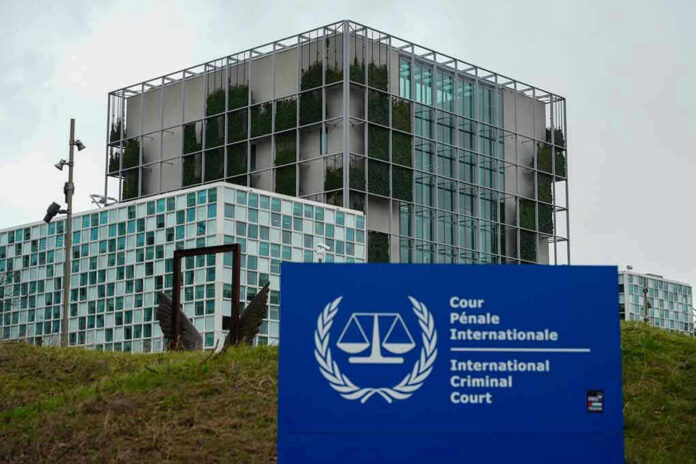
The International Criminal Court moved the Duterte case to a full trial after judges unanimously confirmed three crimes against humanity charges.
Story Snapshot
- International Criminal Court judges confirmed all charges and sent Rodrigo Duterte to trial.
- Judges found reasonable grounds that Duterte is individually responsible as an indirect co-perpetrator for alleged murders from 2011 to 2019.
- Proceedings advanced after public redacted charging documents and an adversarial confirmation hearing.
- Hundreds of recognized victims will participate, while some evidence issues await trial rulings.
ICC Confirms Charges And Commits Case To Trial
Pre-Trial Chamber I of the International Criminal Court unanimously confirmed all three charges of crimes against humanity against former Philippine president Rodrigo Duterte on April 23, 2026. The judges committed the case to trial, which moves the matter from investigation to adjudication. The Court’s public case information and question-and-answer documents state the Chamber confirmed the Prosecutor’s charges in full. The ruling means trial judges will now hear evidence, test witnesses, and issue a verdict based on the record.
The Court reported reasonable grounds to believe Duterte bears individual criminal responsibility as an indirect co-perpetrator. The alleged conduct centers on murders linked to anti-drug operations spanning November 1, 2011, through March 16, 2019. That timeline covers his tenure as Davao City mayor and as president. The indirect co-perpetration theory will require proof at trial that Duterte contributed to a common plan and exercised control through others who carried out the killings.
How The Case Reached Trial
The Prosecutor submitted public redacted versions of the Document Containing the Charges and a Pre-Confirmation Brief in September 2025. Those filings outlined the alleged crimes and the evidence theory that supports them. The Court then held a multi-day confirmation hearing from February 23 to 27, 2026. Prosecutors, victims’ representatives, and the defense presented oral submissions. After reviewing the record and arguments, the Chamber unanimously confirmed the charges and sent the case forward.
The case includes significant victim participation that the Court has formally recognized. The Court authorized 539 victims to take part through appointed common legal representatives. Victims’ counsel continue to engage on evidence and procedural matters. Their participation gives affected families a voice during filings, status conferences, and, where allowed, at trial. The Court’s victim-participation framework runs in parallel with the prosecution and defense presentations.
Evidence Disputes And The Road Ahead
Victims’ representatives recently supported admitting prior recorded testimony from three witnesses who described alleged extrajudicial killings in Central Luzon. They argued the statements are relevant, reliable, and corroborative of other accounts. Trial judges will decide whether and how to admit such materials under the Court’s rules, which can allow recorded testimony that does not go to the accused’s own acts and conduct. Those rulings will shape how the evidence comes in at trial.
Former President Rodrigo Duterte skips the final status conference for his crimes against humanity case at the ICC.
Meanwhile, an ICC-accredited lawyer assures the victims of his administration's war on drugs that they will have a voice in the upcoming trial. #ANCHeadlines pic.twitter.com/fiuT8x2KP6
— ABS-CBN News (@ABSCBNNews) November 3, 2026
Public records note that some filings are redacted, and many exhibits remain confidential, as is common before trial. The confirmation standard is lower than the burden required for conviction, which will rest on the full trial record. Trial judges will assess live testimony, documents, and cross-examination to decide whether the prosecution proves crimes against humanity and Duterte’s responsibility beyond a reasonable doubt under the Court’s law and rules.
Why This Matters For U.S. Readers
International courts can shape how allies fight crime, run police operations, and respect due process. The Duterte trial will test how far leaders can push public security campaigns without crossing into crimes against humanity. For Americans who back law and order and value clear rules, the core issue is accountability matched with fair process. The Court’s next steps will show how evidence, not politics, decides outcomes in a case with global attention.