
Iran is tying the reopening of the Strait of Hormuz to seven sweeping U.S. concessions, raising urgent stakes for global oil and American security.
Story Snapshot
- Iran set seven conditions, including lifting oil sanctions and releasing frozen funds.
- An Iranian figure linked reopening Hormuz to fulfillment of all seven conditions.
- U.S. and Israel developed post-election strike options amid rising tensions.
- The dispute centers on sanctions relief versus nuclear concessions before talks.
Seven Demands Tehran Says Must Come First
Jordan News reported that Iran listed seven conditions to resume talks: a regional ceasefire, release of frozen Iranian assets, lifting of oil-sector sanctions, an end to a U.S. naval blockade, war compensation, withdrawal of U.S. forces, and an end to threats and interference. The package puts nearly every pressure point on the table at once. The demands target economic, military, and diplomatic tools that Washington has used for years. The report frames these as prerequisites, not items for step-by-step bargaining.
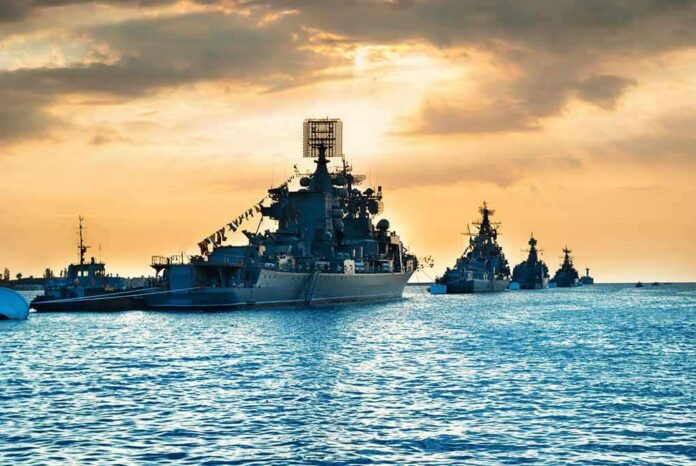
Iran International quoted a named Iranian figure saying the Strait of Hormuz would not reopen unless all seven conditions were met. That claim ties a vital sea lane to a broad concession list. About one-fifth of global oil flows through Hormuz. Any closure drives up fuel costs and squeezes family budgets. Linking the waterway to demands turns energy into leverage. This move pressures the United States and its allies to choose between energy stability and core security goals.
U.S. Strike Options Prepared After Elections
ABC News reported that American and Israeli militaries drew up plans for renewed strikes on Iran, with timing discussed for after the November 3 midterm elections. The White House said the United States would not attack before the vote, but officials kept options ready. Planning does not equal an order to strike, yet it shows a serious posture. The report placed the effort in a live, evolving situation. It signaled that military pressure could resume if diplomacy stalls.
The reported plans add urgency to Tehran’s list. Washington seeks nuclear concessions up front. Tehran wants sanctions relief, asset access, and an end to military pressure before talks. Each side wants the other to move first. That stand-off echoes past bargaining cycles. The 2015 nuclear deal traded nuclear limits for sanctions relief. Later U.S. withdrawal made Tehran doubt lasting benefits from early concessions. That history shapes today’s preconditions and risk calculus.
Energy, Security, and What Is at Stake for Americans
Oil markets feel every tremor in the Strait of Hormuz. Any hint of closure raises prices at the pump and heats home energy bills. Iran’s linkage aims to force relief on oil sanctions and unlock frozen funds. That would hand Tehran cash while easing the pressure that limits its regional reach. The United States has used targeted sanctions to cut off revenue for hostile activity. Ending those tools without firm, verified steps by Tehran risks rewarding bad behavior.
NEW: Senior officials from the Mecca Pact’s three signatories met with senior Iranian officials in Tehran on October 26 to discuss a new US-Iran deal in concert with ongoing Pakistani and Qatari efforts.
Read more ⬇️ https://t.co/7Ax5kkxQE1
— Institute for the Study of War (@TheStudyofWar) October 27, 2026
The Trump administration faces a tight line to walk. President Trump’s team has worked to deter attacks, protect shipping, and keep allies on board, while avoiding endless war. Reported U.S. planning keeps military options on the table. At the same time, American families need stable energy and a safer Middle East. A smart path pairs pressure with clear off-ramps. That means demanding concrete nuclear and regional steps from Tehran before lifting key sanctions or easing military posture.
Sources:
thegatewaypundit.com, nytimes.com, bostonglobe.com