
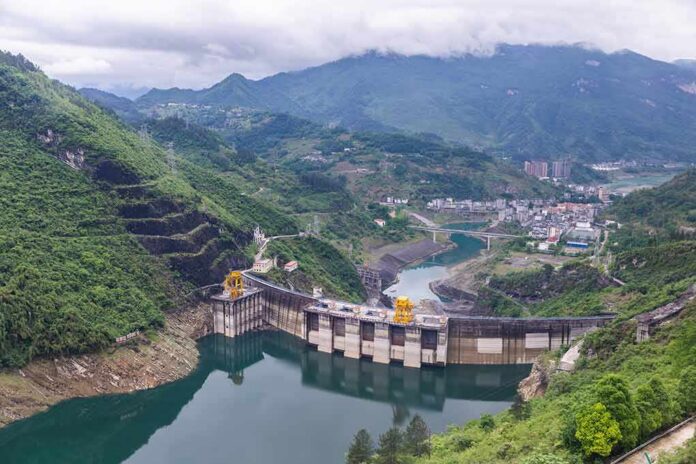
A sudden surge on Nepal’s Budhi Gandaki River tore through Gorkha before dawn, sweeping away homes and bridges and forcing villages to evacuate.
Story Highlights
- Residents along the Budhi Gandaki River fled to higher ground after flash flooding destroyed homes and bridges.
- Local officials reported about 35 houses swept away in Chumnubri Rural Municipality, with impacts across multiple settlements.
- Authorities issued a formal flood warning urging people to stay away from the river and move to safe places.
- Reports point to a landslide dam that likely blocked and then released river flow, causing the surge.
Flash Flood Strikes Mountain Villages Before Dawn
Local time early morning on October 11, a flash flood roared down the Budhi Gandaki River in Nepal’s Gorkha District. The surge hit riverside settlements in Chumnubri and Dharche rural municipalities. Witnesses described houses and footbridges giving way as debris-laden water swept through narrow valleys. The Associated Press said villagers evacuated from areas along the river as the water rose and structures failed. BusinessLine also reported widespread damage to homes and bridges.
Police and local officials moved people to higher ground as the river level stayed unstable through the day. Nepal News quoted the vice chair of Chumnubri Rural Municipality saying about 35 homes were swept away in multiple wards, including Paiyu, Bagar, Dobhan, Ghettekhola, Jagat, and Salleri. The Himalayan Times said authorities urged residents to keep distance from the river because levels remained above danger thresholds and could surge again. These steps helped reduce risk while damage assessments began.
Evacuations Ordered As Bridges And Roads Fail
District police advised residents in Sirdibas and parts of Dharche to relocate to safe areas as the flood threat spread downstream. The loss of bridges cut off travel between several communities. Khabarhub reported three bridges gone, including links between Nyakchet and Sirdibas, Kerauja and Machhakhola, and Soti and nearby Arughat wards. These breaks complicate rescue and relief, since many villages rely on footbridges over steep gorges for daily supplies, school access, and clinic visits.
Authorities also issued a formal flood warning that morning. Outlets carrying the alert said Nepal’s Flood Forecasting Section warned of a large flood from Chumnubri Rural Municipality-6 and told people to move to high places and avoid the river. That message, sent soon after the surge began, signaled a live, moving hazard. Early notices like this can save lives when phone service is patchy and roads are blocked, especially in remote Himalayan terrain with few exits.
Landslide-Dam Burst Likely Drove The Sudden Surge
Multiple reports point to a landslide blocking the Budhi Gandaki upstream before the flood. When that earthen dam gave way, a wave of water, mud, and rock shot downstream. The Himalayan Times cited a blockage near Philim in Chumnubri Rural Municipality-3 around 4:30 a.m. that then failed. Khabarhub described a blockage between Lokpa and Chumling in Chumnubri-6. That account also ended with the river re-opening and sending a destructive pulse downstream.
🚨 Nepal Flood Update | Gorkha
A flash flood struck the Budhi Gandaki River following a landslide.
Preliminary figures:
▪️ 5 people missing
▪️ 49 people rescued
▪️ Around 36 homes affected
▪️ 4 bridges damaged or destroyed
Assessments continue.#NepalFloods pic.twitter.com/zNONFjQyi2— مؤسسة الإحسان الخيرية- نيبال (@ecfnpl) October 11, 2026
Damage counts in the first day varied by outlet and location. Reports cited “more than 35 houses” district-wide while others focused on a 35-house figure tied to several named settlements. That spread is common in fast-moving disasters that span scattered villages. Early totals often change as teams reach more sites. Nepal News said no deaths were confirmed in its initial report, but officials were still checking remote areas at that time.
Why This Matters Far Beyond Nepal
Steep valleys and fragile slopes make the Himalayas prone to landslide-dam floods, which can fail without warning. That threat is rising as heavier rains and rapid development put more people and roads in harm’s way. When bridges fail, families lose lifelines to markets, schools, and health care. Americans know this story too: aging bridges, thin emergency budgets, and slow rebuilds leave communities exposed. When systems break, ordinary people pay the price while leaders argue.
What To Watch Next
Officials will work to confirm the final damage count, check for missing people, and plan temporary crossings. Engineers will inspect slopes above villages to judge if more slides could block the river again. Relief teams will move food, tarps, and medicine to cut-off areas. Watch for government updates on bridge repairs and safe routes. Clear public reporting will help residents rebuild faster and reduce fear of another sudden night-time surge.
Sources:
youtube.com, thehindubusinessline.com, apnews.com, news.abplive.com, thehimalayantimes.com, english.khabarhub.com