
Two hydropower workers in Nepal were pulled alive from a flooded tunnel after days underground, as rescue teams pressed on to reach many more still missing.
Story Highlights
- Rescuers reached trapped workers in Nepal’s hydropower tunnels after flash floods.
- Nepal’s government and army called the tunnel rescues a top priority and kept teams on site.
- Reports say hundreds were feared missing across multiple projects, with counts changing by site.
- Some tunnels were cleared with no people found, while others showed signs of survivable spaces.
Rescue Teams Break Into Flooded Tunnels And Pull Survivors
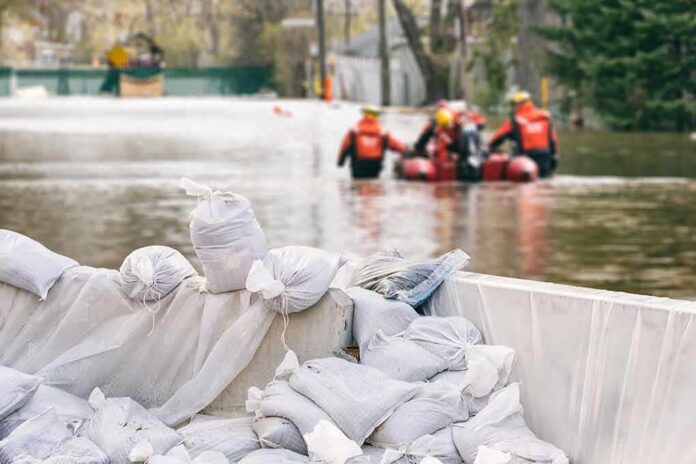
Rescue teams in Nepal broke into mud-choked tunnel sections and pumped air to reach trapped hydropower workers after severe floods. Crews used drilling gear and excavators to dig down into blocked passages and clear water and debris. Authorities said the push focused on several major projects where workers were believed to be inside when the floods hit. The operation followed days of nonstop work in dangerous conditions as weather and sediment slowed progress.
Nepal’s rescue command kept crews moving across at least five hydropower sites. Government officials said reaching workers in tunnels and underground powerhouses was the highest priority. The effort included specialized teams and outside technical help. Officials described a complex mission that required safe access, ventilation, and careful excavation to avoid new collapses. The focus on tunnels reflected fears that workers had sheltered in chambers that were sealed by mud and rockfalls.
Government And Army Report Ongoing Operations Across Multiple Sites
National authorities reported round-the-clock operations after the floods, with the army leading many searches. The prime minister’s office said soldiers rescued large numbers of people despite fast water and unstable ground. Commanders gave updates on teams at several projects, and said foreign experts assisted on site. The broad push suggested that entrapments and strandings were spread across the hydropower corridor, not limited to a single location or tunnel system.
Reporters on the ground described Nepal stepping up efforts to reach hundreds thought to be inside tunnels, while separate counts tracked the many still unaccounted for. Officials highlighted work at the Upper Trishuli complex and other named projects. Army briefings and wire reports pointed to a fluid picture in the first days, with crews opening access points, deploying pumps, and probing blocked galleries for signs of life or clear passages.
Conflicting Early Counts And A Tunnel Found Empty Complicate The Picture
Early estimates on the number of trapped or missing workers varied by outlet and project, which is common in fast disasters. Some reports cited dozens in a specific tunnel. Others spoke of more than one hundred across several sites, and still others tracked several hundred missing overall. That spread reflects active sorting between workers trapped underground, workers stranded above ground, and workers not yet located by families or managers.
Search results also differed by tunnel. At Rasuwagadhi, a Nepal Army drone found no one inside a tunnel where some feared people were trapped, raising hard questions about where several on-duty workers went during the flood. Other sites showed blocked chambers that rescuers could reach only after clearing thick mud. Officials said more checks were underway to locate the missing and confirm who had been underground at the time.
Why These Tunnels Are So Risky During Monsoon Floods
Nepal’s run-of-river hydropower network sits in steep valleys that can funnel floodwater and debris. Flash floods can smash intake structures, clog tunnels, and flood underground powerhouses. Past flood seasons damaged many projects and left workers dead or missing. Crews now face the same mix of collapsed access, unstable slopes, and hypoxic air in tight spaces. That is why teams used pumps, air lines, and careful digging to reopen routes and search for survivors this week.
🚨 A rescue that seemed impossible just happened. Two workers have been pulled alive from a hydropower tunnel in Nepal nine days after catastrophic flooding devastated the country. The dramatic breakthrough is giving families new hope, with one survivor telling rescuers that more…
— Erik Hoffmann (@TheErikHoffmann) September 4, 2026
Officials and engineers warned that survival windows depend on air, water, and a sealed space that keeps mud out. Rescuers therefore tested upper tunnel sections first, where air pockets are more likely. They drilled where sensors or ground checks suggested hollow spaces, then fed air into the area before digging. While counts shifted as teams verified sites, the clear aim stayed the same: clear paths, reach people, and move them out safely despite unstable mud and rock.
Sources:
youtube.com, english.onlinekhabar.com, bbc.com, dtnext.in, abcnepal.tv, whalesbook.com, apnews.com