

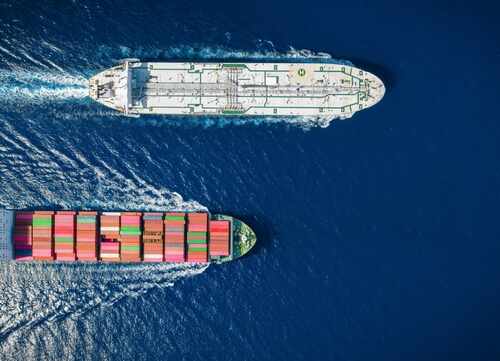
Iran’s Revolutionary Guard threatened to choke off Middle East oil shipments, daring the United States and its allies to test the Strait of Hormuz closure they claim is already in effect.
Story Highlights
- Iran’s Revolutionary Guard vowed to stop “even one liter” of oil from leaving the region if strikes continue.
- Guard figures claimed the Strait of Hormuz is closed and warned ships against passage.
- U.S. officials say the naval blockade targets Iranian ports while protecting global transit lanes.
- Energy markets swung on fears of supply shocks and higher prices as threats escalated.
Iran’s Threat: Shut the Taps to Force Concessions
Iran’s Islamic Revolutionary Guard Corps said they would block Middle East oil and gas exports if United States and Israeli strikes on Iran continue. A Guard spokesperson said no one would be allowed to export “even one liter of oil” in that case, a statement carried by regional outlets and echoed by international wire services. Senior Guard voices also vowed to “determine the end of the war” through energy pressure, signaling a strategy to use global supply pain as leverage against Washington and its partners.
Other Guard-linked statements went further, declaring the Strait of Hormuz “closed” and warning that any ship attempting to pass would face attack. Another outlet quoted a pledge to keep the strait shut “until the end of America’s evils,” an ideological line that raises the risk of miscalculation on the water. The Guard also threatened to disable United States and allied energy infrastructure for years if strikes on Iran continue, expanding the danger beyond shipping lanes to pipelines and export hubs across the Gulf.
What the United States Says the Blockade Is — And Is Not
The Trump administration announced a renewed naval blockade focused on Iranian ports. The goal, United States Central Command says, is to cut Iran’s ability to threaten shipping while preserving freedom of navigation for vessels bound to non‑Iranian ports. An independent advocacy group tracking tanker movements reported dozens of ships turning away from Iranian port calls, arguing the blockade is already having measurable effects on Tehran’s trade flows. That picture supports the claim that pressure is working without shutting the entire Gulf.
Legal debate continues over blockades and war powers. A maritime law expert interviewed on public radio said a blockade can be lawful during armed conflict under the law of naval warfare, even without a formal war declaration, if the conditions of conflict apply. Critics counter that there is no United Nations Security Council authorization, and they argue a unilateral peacetime blockade would violate the United Nations Charter’s bar on the use of force absent self‑defense. Those disputes will not be settled on cable news. They hinge on facts about ongoing hostilities and proportional self‑defense, which are still being developed.
Can Iran Really Stop Regional Oil? Capability vs. Bluster
Iran has a long record of threatening to close Hormuz. In past crises, it used mines, drones, and harassment to make shipping risky rather than building a classic physical blockade. This time, statements are louder, but proof of an ability to halt all exports across the region remains thin in public reporting. Sources document threats, not operational evidence of a total shutdown. That gap matters, because major Gulf producers have alternative load points and armed escorts, and insurers adjust routes rather than concede defeat overnight.
Still, the danger is real. One drone strike on a tanker or a missile near a liquefied natural gas carrier can spike insurance and freeze traffic. Markets already reacted as headlines piled up, with oil prices jumping on fears of a broader supply shock. The Guard’s warning that Gulf states could “say goodbye to oil production” if they host attacks raises the stakes for regional partners who rely on United States security ties and energy exports to fund their budgets. These are pressure points Tehran knows well and has probed for decades.
What This Means for Americans: Energy, Security, and Resolve
High energy prices punish working families, small businesses, and seniors on fixed incomes. Iran’s threats aim to raise those costs to force political concessions. The United States response must protect freedom of navigation, a basic rule that keeps goods moving and deters bullies. The Trump administration’s framing — block Iranian ports, keep global lanes open — sets a clear line: commerce flows, terror does not. That approach fits core American principles of strength with focus, not endless wars or blank checks.
Congress and the administration can press further. First, demand rapid declassification of legal justifications and rules of engagement to show allies and markets the plan is firm and lawful. Second, work with Gulf partners on convoy protection and quick‑strike mine clearing to keep tankers moving. Third, push for a United Nations resolution that affirms free transit through international straits and condemns threats to civilian shipping. Peace comes faster when tyrants see unity, capability, and backbone — not hesitation.
Sources:
military.com, youtube.com, timesnownews.com, timesofisrael.com, bostonglobe.com, sahmcapital.com, ndtv.com, facebook.com, bbc.com, npr.org, dw.com, apnews.com