

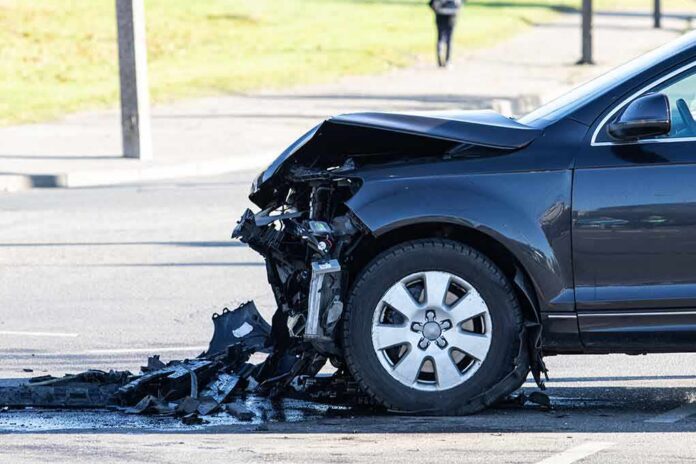
A Texas woman is dead after a Tesla plowed into her home, as officials say the driver reported using automated driving at the time.
Story Snapshot
- Deputies say the Tesla driver told them automated driving was engaged when the car hit a home, killing a 76-year-old woman.
- Harris County officials described the car leaving its lane, speeding, and smashing through the residence.
- Tesla’s Autopilot chief says data show the driver floored the accelerator to 100%, reaching about 73 miles per hour.
- Federal safety investigators opened a special probe into the crash and how driver-assist was used.
Deputies Describe A Deadly High-Speed Impact Into A Texas Home
Harris County deputies said a Tesla Model 3 left the roadway, failed to stay in one lane, and struck a home near Katy on Friday evening. The impact killed 76-year-old Martha Avila inside the house. Deputies identified the driver as Michael Butler. Officials said Butler told investigators the car had an automated driving assistance feature engaged at the time of the crash. Authorities described a significant speed before impact and severe damage to the structure.
Deputies’ early account stressed the vehicle’s path and speed, not a confirmed software defect. Officials reported the Tesla veered off the street and hit the residence, which matches a loss of control scenario. That description fits either driver error or driver override, and it does not, by itself, prove an Autopilot failure. Investigators said the driver’s statement about automated driving is part of the inquiry, but full vehicle telemetry was not released with the initial updates.
Tesla Says Driver Overrode Automation By Flooring The Pedal
Tesla’s vice president of Autopilot, Ashok Elluswamy, posted that internal data show the driver pressed the accelerator to one hundred percent in a residential area. He said the car reached about seventy-three miles per hour during the crash sequence. Elon Musk echoed that message, saying the system designed for city streets drives slowly and that this was a high-speed crash. Those claims point to driver override rather than a self-driving control error.
That corporate account conflicts with the driver’s immediate statement to deputies that an automated feature was engaged. The gap will likely be resolved by data. Prior Texas cases show that federal investigators can determine if driver-assist was active by checking logs and control states. In a 2021 Texas crash, federal investigators later found no evidence Autopilot had been engaged, despite early public claims, and blamed speed and impairment instead.
Federal Probe And The Evidence Needed To Settle Cause
The National Highway Traffic Safety Administration opened a special crash investigation. That step puts federal eyes on the core question: what was the car doing, and who was in control? Investigators can review logs for pedal position, steering input, warnings, and timing. They can also match doorbell video and road marks to speed and braking. Those pieces can confirm whether the system stayed engaged or whether a manual override drove the fatal outcome.
For families and neighbors, the stakes are simple: safety on their own block. For drivers and tech makers, the line is clear: the person behind the wheel is responsible, even when using driver-assist. Conservative readers also see a lesson on hype and accountability. Fancy features do not replace common sense, a safe speed, and clear personal duty. Hard data, not quick spin, should decide if automation failed here, or if a human choice at high speed caused this tragedy.
Sources:
feedpress.me, nbcnews.com, abcnews.com, abc7.com, youtube.com