
A sweeping new analysis says planet-sized “heat storms” now strike about 102 times a year, up from about five in the 1960s, signaling broader, longer heat that demands smarter policy and stronger grids.
Story Highlights
- Reuters defines a “heat storm” as a five-day heat wave covering at least 1% of Earth’s surface.
- Annual events rose from about five in the 1960s to roughly 102 this decade, according to the report.
- The largest recent event reportedly affected up to 85% of the planet over its run.
- At least one qualifying event has persisted somewhere on Earth for 18 straight years, reports say.
What “heat storms” are and why the label is spreading
Reuters describes a “heat storm” as an extreme heat event that lasts at least five days and expands to cover at least one percent of Earth’s surface at its peak. That footprint is about half the size of Canada. The term aims to separate truly massive events from ordinary, local heat waves by using scale and duration, not just temperature. The World Meteorological Organization notes heat waves are usually defined locally, so the new label targets global reach rather than local thresholds.
Officials and planners often track intensity, duration, and exposure to protect people and power systems. This label adds another factor: geographic spread. By highlighting scale, it alerts leaders that a single heat pattern can strain many regions at once. That matters for energy demand, water use, and wildfire risk across borders. The approach mirrors a wider scientific push to categorize extremes by frequency, intensity, duration, spatial extent, and exposure, rather than using one vague bucket for heat.
What the analysis found about frequency and size
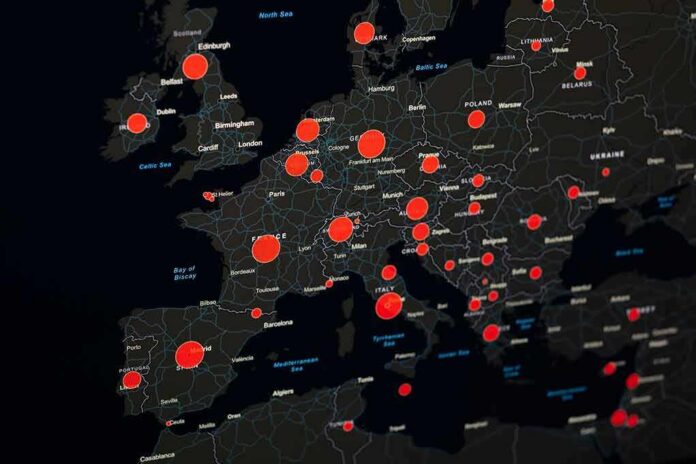
The Reuters-led analysis reports a sharp rise in these large-scale events. The average number rose from roughly five per year in the 1960s to about 102 per year in the current decade. The researchers also describe a striking jump in size, from a 1960s peak near six percent coverage to a recent event that touched up to eighty-five percent of the planet during its span. The report links the trend to a near-constant presence of at least one such event for eighteen years.
The figures suggest a cascade effect: one broad event fades as another one flares, keeping much of the globe under sustained heat pressure. That pattern matters for food supply and grids because long, widespread heat keeps air conditioners running, drives up peak load, and stresses transformers. It also dries soils across large regions, setting the stage for fires. The analysis does not claim that area equals intensity. It spotlights reach and persistence as distinct stress points for modern systems.
How this fits with established extreme heat science
International assessments find that hot extremes have increased in frequency and duration since 1950, with human influence identified as the main driver at the global scale. Those reviews also show that the chance of compound events, like heat plus drought, has risen. The “heat storm” label is not an official weather category. It is a communication tool that lines up with the well-supported finding that more regions are facing longer and broader heat events over time.
Policy leaders can act on what is clear. Energy planners can harden the grid before long, broad heat waves arrive. States can expand peak power supply, fast-track new transmission, and clear red tape on domestic energy production to keep prices stable. Local leaders can set tiered heat alerts and open cooling centers sooner. Water managers can prepare for higher use during extended hot spells. These steps defend families and businesses without surrendering control to distant global bodies.
What this means for American families and core systems
Long, widespread heat drives up power bills, strains fixed incomes, and threatens crops and trucking. When many states roast at once, the nation cannot rely on buying spare power from neighbors. That is why building reliable baseload energy and strong transmission matters. Clear, simple alerts also help parents, seniors, and workers plan their day. The new label points to scale, but the mission stays local: protect people, keep the lights on, and defend affordable American energy.
Sources:
youtube.com, newrepublic.com, bursa.ro, healthandwealthdigest.com, cnas.ucr.edu, upday.com