

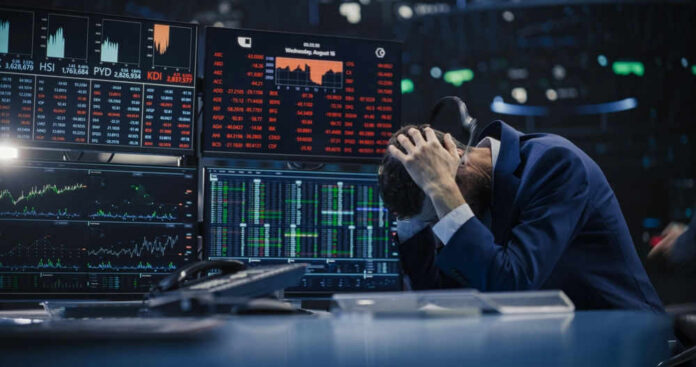
A broad sell-off tied to artificial intelligence fears just drove Asian stocks toward their worst week since 2020, jolting global markets and retirement accounts alike.
Story Snapshot
- Regional indexes in Asia dropped 7%–9% for the week, led by tech and chip names.
- Taiwan, Japan, and South Korea saw steep declines tied to the AI hardware supply chain.
- Analysts called it a reassessment of the artificial intelligence trade after hot valuations.
- Strong results at top chip firms did not calm fears about profits and debt in the sector.
Asian Markets Stumble As AI Trade Unwinds
Reuters reported Asian shares were heading for their worst week since the pandemic shock, with the MSCI Asia-Pacific excluding Japan down about 8% for the week. The selling centered on technology and chip stocks linked to artificial intelligence demand. The drop followed an artificial intelligence company debut that failed to spark new confidence. Investors questioned high prices, heavy spending, and rising debt tied to the boom. Those concerns outweighed earlier optimism about quick gains from artificial intelligence projects.
Losses were sharpest in markets that feed the artificial intelligence hardware pipeline. Taiwan’s market slumped more than 6% and was on track for its worst week in decades, while the MSCI Emerging Markets Asia index fell nearly 9% as traders cut chip and artificial intelligence exposure. Those moves signaled a broad pullback rather than a single-company event. Investors weighed whether recent prices had run far ahead of likely earnings from data centers and advanced chips.
Japan And South Korea Reflect Broad Tech Repricing
Japan’s Nikkei dropped 4.1% and South Korea’s KOSPI fell 4.7% during Friday trading, with weekly losses near 6.8% and 7.5%, respectively. Those parallel slides pointed to a region-wide reset in artificial intelligence expectations. Major suppliers and equipment makers came under pressure as buyers looked to lock in profits after a long run-up. The speed of the shift showed how tight positioning had become across the artificial intelligence complex this year.
Market strategists described the action as a rotation away from artificial intelligence-adjacent chip names. Commerzbank Research told The Wall Street Journal the sell-off amounted to a “broader reassessment” of the trade. An analyst at IG also flagged worries about Chinese access to United States chip technology, a policy risk that can jolt orders and valuations at any time. Those cross-currents added to the pressure as funds trimmed exposure across the supply chain.
Valuation, Profit Timelines, And Debt Drive Jitters
Morningstar said technology shares dragged Asian markets lower as investors questioned whether big artificial intelligence spending will deliver steady profits. Even strong results at leading chip firms failed to settle nerves. That gap between eye-catching current numbers and slower paths to cash returns kept traders on edge. Heavy investment in data centers, chips, and power needs stronger earnings to justify price tags and borrowing. Until that math adds up, sudden pullbacks remain a risk.
This episode also fits a historic pattern with new technologies. The European Central Bank noted that big inventions often draw intense investment, then face sharp repricing when hopes outrun near-term results. Railways, electricity, radio, and the dot-com era each saw swings like this. The lesson is simple: a correction can punish stocks even if the technology still changes the world. Price and profit timing are the hinge, not the long-run value of the idea.
What It Means For American Savers And Policy
U.S. retirees, small business owners, and 401(k) savers can feel these ripples. Many funds hold global stocks or American chip leaders tied to Asia’s supply chain. When Asia slumps, U.S. markets often catch some of the chill. That does not mean panic. It does mean prudence. Diversified portfolios, steady cash flow companies, and lower debt loads help cushion shocks. Traders chasing the hottest artificial intelligence names face bigger swings when sentiment shifts fast.
Asian #tech stocks sank 3.2% (MSCI Asia-Pacific, steepest drop in over a month) on #AI jitters—even as #Anthropic raised $107bn in a record #IPO, surging 17% from $83 to ~$100 for a ~$1.3trn valuation. #Stocks #Markets pic.twitter.com/Qk40NRZkZp
— Stanley's Musings (@StanleyEpstein) November 20, 2026
For policymakers, the message is discipline. Clear, stable export rules protect national security without whiplash. Sound money and limited federal spending help tame rate volatility that can rattle growth stocks. Reliable, affordable energy keeps data centers and chip fabs running without driving costs higher. President Trump’s team has pushed for domestic production, secure supply chains, and pro-growth tax policy. That focus can help American workers and investors weather global market storms while keeping our edge strong.
Sources:
youtube.com, reuters.com, fidelity.com, morningstar.com, apnews.com