

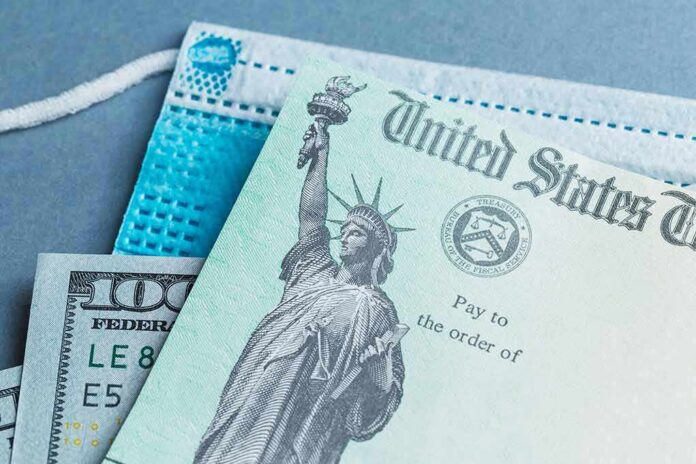
Nearly 1 million Americans in 30 states are receiving $500 refund checks tied to Affordable Care Act fees, starting this month, according to the White House and multiple outlets.
Story Highlights
- The administration began mailing $500 refund checks to about 950,000 ACA enrollees in early October.
- Eligible recipients bought coverage on HealthCare.gov and did not get premium subsidies.
- The White House says the refunds return “excessive” marketplace user fees embedded in premiums.
- Checks arrive with a letter from President Trump and go only to residents of 30 federal-exchange states.
Who Is Getting the $500 Checks and When They Arrive
White House officials said nearly 1 million Americans who purchased Affordable Care Act plans through the federal HealthCare.gov marketplace are receiving $500 refund checks this month. Reporters at Reuters and other outlets said the Treasury Department began sending payments in early October 2026, with more than 950,000 enrollees in 30 states included. People who enrolled without premium subsidies are the main recipients. Residents in the 20 states that run their own exchanges are not included in this program.
News reports state that the checks are being mailed with an accompanying letter signed by President Trump. Outlets that reviewed the materials said the letter highlights the administration’s case for returning money collected through marketplace fees. That added note places the refund in plain view, so recipients know what it is and why it is arriving. Coverage from national outlets consistently reported the inclusion of the presidential letter with the check.
Why the Administration Calls This a Refund
The administration says insurers selling plans on HealthCare.gov paid a user fee to fund the exchange, and that insurers passed those costs to consumers through higher premiums. Officials argue those fees exceeded what was needed to run the federal marketplace, so they are returning the excess to people who paid full price. Reports summarize this as a refund of “excessive fees,” framed as relief for unsubsidized buyers who bore those embedded costs year after year.
Multiple outlets reported the core numbers the same way. Coverage cited roughly 950,000 eligible people, each receiving $500, for a total approaching $500 million. Stories also aligned on key guardrails: payments go only to states that rely on HealthCare.gov, and recipients do not need to apply. Government records identified eligible enrollees based on prior marketplace data, according to news reports that reviewed the White House explanation and timing details.
How the States Break Down and Who Is Excluded
The payments apply to residents in the 30 states that use the federal exchange rather than state-run marketplaces. Reports said people in the 20 state-based exchanges will not receive checks under this action. That different treatment follows how the Affordable Care Act set up exchanges: some states use the federal platform, while others built their own. Eligibility also focuses on those who did not receive premium subsidies, which often means households with higher incomes within the individual market.
Ellen Allen received a $500 ACA payment after seeing her insurance costs soar. She says the check doesn’t address rising healthcare costs. The Trump administration calls the payments refunds for excess marketplace fees.#Healthcare #Trump #Politics #ExplorePage #FYP pic.twitter.com/i9l68i3V4s
— Toasted Tv News (@ToastedTvNews) October 7, 2026
For many families who shouldered full premiums, a $500 check offers fast relief. It will not solve every cost problem in health care, but it does recognize who paid the bill for these fees. The message is simple: when Washington over-collects, it should give the money back. This action aligns with a limited-government view that rejects hidden charges and wants transparent costs that match actual needs, not bloated bureaucratic budgets.
What to Watch Next: Delivery, Documentation, and Practical Steps
Reporters said checks started going out the first week of October, and delivery will continue as Treasury processes the mailing batches. People should confirm their mailing address on file with HealthCare.gov is current, watch for official correspondence, and avoid scams. No application is required, according to coverage. If a household used the federal marketplace and paid full price, it is reasonable to look for the envelope. Anyone unsure can review their 2026 plan records and prior enrollment notices.
Some reports vary slightly on totals, using phrases like “nearly 1 million,” “more than 950,000,” or “about 950,000.” That spread reflects normal reporting language during a large rollout. The central facts remain steady across outlets: checks of $500 are being issued, they target unsubsidized enrollees in the 30 federal-exchange states, and they began in early October. Those details are consistent and well established in national coverage reviewed for this story.
Why This Matters to Working Families and Small Businesses
Households that buy their own insurance without subsidies often include small business owners, independent workers, and early retirees. These families took the hit when insurers folded federal exchange fees into premiums. This refund gives them some cash back now. Conservatives value accountability, and this action tells agencies to right-size their budgets and return the overage to the people who paid it. That is a practical step toward cutting hidden costs in the individual market.
Sources:
facebook.com, usatoday.com, fortune.com, usnews.com, tucson.com, time.com, independent.co.uk, finance.yahoo.com