
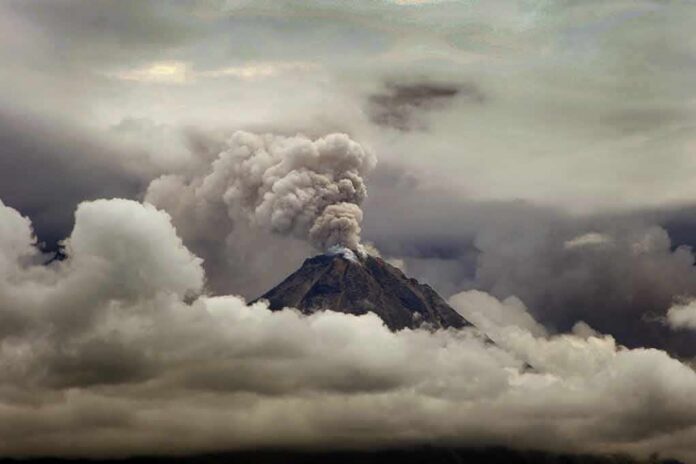
Five new vents opened inside Kīlauea’s summit crater as alert levels remain elevated and activity stays confined to the national park.
Story Highlights
- USGS reports the eruption is confined to Kīlauea’s summit in Hawaiʻi Volcanoes National Park.
- Five new vents opened near the northwest wall of Halemaʻumaʻu, producing small lava flows.
- Alert level set to WATCH and aviation code ORANGE as scientists track tremor and pressure changes.
- Live feeds show bursts and overflows while officials focus on clear, steady hazard updates.
What Officials Confirm About The Eruption
United States Geological Survey officials say the ongoing eruption remains limited to Kīlauea’s summit inside Hawaiʻi Volcanoes National Park. The current Volcano Alert Level is WATCH, and the Aviation Color Code is ORANGE, showing elevated unrest and eruptive activity without large ash emissions. Officials emphasize that all observed lava and gas activity are within the summit area, not in nearby neighborhoods or downrift zones. This keeps the immediate hazard focus on the park, its trails, and downwind air quality.
United States Geological Survey notices describe changing vents and small lava flows within Halemaʻumaʻu crater. A notice on September 16 reported five new vents near the northwest wall that sent short flows over the crater floor. Scientists observed steady spattering from the north vent and periodic bursts from south and west vents. Seismic tremor increased while summit inflation stalled, pointing to an active but contained system that can pulse without warning between quiet and lively phases.
How The Activity Is Evolving On The Ground
Big Island Video News coverage and park cameras show precursory lava overflows, brief pauses, and glowing vents that wax and wane. These visual swings can look dramatic, yet they often reflect normal pressure cycles at the summit. United States Geological Survey updates describe several days of small overflows from the north vent, and a pause linked to summit deflation. These shifts are part of the current episode pattern rather than a move to new areas outside the crater.
United States Geological Survey bulletins across September detail intermittent spatter from the north vent and short-lived bursts at other vents. On September 14, scientists noted a small cone building around the north vent during spatter bursts, with no precursory flows since September 12. These observations give hikers and residents a clear message: activity can change quickly, but right now it stays at the summit, where officials can manage closures and warnings inside the park.
Why Communication Matters As Much As Lava
Researchers who studied the 2018 crisis found that official social media and web posts became a key lifeline for hazard information. That lesson guides today’s cadence: frequent, plain updates with clear alert levels and maps. The public often sees the eruption through live feeds and viral clips. Scientists build the record from instruments and field notes. Aligning those views helps people act on the right risk, not just the most dramatic video they scroll past.
For families, park visitors, and workers, the practical steps are simple. Check the United States Geological Survey Hawaiian Volcano Observatory page and the park’s alerts before travel. Follow closures near Halemaʻumaʻu and heed air quality notices downwind. Expect episodes of glow, spatter, and small overflows to continue while the alert level stays at WATCH. If instruments show new pressure or vent changes, officials will adjust guidance fast, as they did during recent notices and daily summaries.
Sources:
bigislandvideonews.com, volcanoes.usgs.gov