
Turkish and Somali forces say they freed a hijacked cargo ship after a 10-day mission, with 14 pirates reported dead.
Story Snapshot
- Somalia’s Defence Ministry reported a joint rescue, saying 14 pirates were killed.
- Officials said four pirate boats were destroyed during the operation.
- The Cameroon-flagged MV Lutuf, seized off Puntland on August 17, was retaken.
- Local authorities in Puntland disputed the rescue and alleged a ransom was paid.
Rescue Claim: A 10-Day Operation Ends a Hijacking
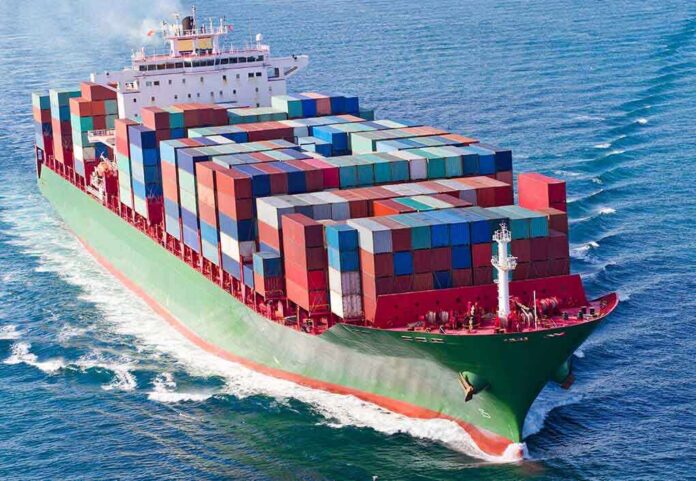
Somalia’s Defence Ministry said Turkish and Somali forces freed a hijacked cargo ship after a 10-day operation and killed 14 pirates. Officials said the pirates had seized the Cameroon-flagged MV Lutuf off the Puntland coast on August 17. The ministry said forces struck pirate positions and destroyed four boats used in the attack. The statement was carried in regional reporting and included confirmation from a local elder that the ship and crew were freed.
Maritime coverage reported that Turkish commandos operating from a frigate off Somalia retook the ship. Turkey’s Ministry of Defense said the cargo was headed for the Turkish military base in Mogadishu, known as the Turksom base. That report aligned with the Somali federal account of a joint action at sea. The role of Turkish naval forces shows how partners can move fast to protect shipping lanes in dangerous waters near the Gulf of Aden.
Vessel Identity and Timeline of the Hijacking
News wires identified the ship as the MV Lutuf, a Cameroon-flagged general cargo vessel. Reports said pirates seized the vessel on Monday, August 17, near Marraya in the Eyl district of Puntland, about three and a half nautical miles from shore. That location sits along a coastline long known for past pirate activity. The quick strike so close to land shows how small boats can swarm a slow-moving ship if patrols are thin.
A local elder from the Jiifle community told reporters that the vessel and crew were freed after the operation. The federal Defence Ministry did not provide a full crew health report in its public update. The ministry also did not share names of the reported dead or images of the four destroyed pirate boats. Those details often follow later after naval forces finish debriefs and secure the area for investigators.
Dispute Over How the Standoff Ended
Puntland’s Ministry of Security and Disarmament, Demobilization, and Reintegration publicly rejected the federal account. Puntland said there was no joint rescue by Somalia or Turkey and alleged a ransom payment instead. That claim directly contradicted Mogadishu’s statement but provided no full evidence in the initial press comments. The split reflects long-running tensions between federal and regional officials over authority, credit, and maritime security in Puntland waters.
Competing accounts after a hijacking are common in the region, where local power centers overlap and information moves fast. What is confirmed is that the ship and crew were released and moved away from pirate control. Federal officials credited action at sea. Puntland pointed to negotiation and money. The core facts of the seizure date, ship flag, and recovery are consistent across outlets, even as the method of release remains in dispute.
Piracy Surge Raises Global Shipping and Energy Concerns
Analysts say piracy off Somalia has surged in 2026 after years of lower activity. International tracking cited by major outlets counted at least 15 attacks this year, the highest level in years. That rebound places new strain on trade routes linking the Indian Ocean to the Red Sea and Suez Canal. When piracy spikes, insurance costs rise, routes stretch longer, and prices at home can feel the hit through shipping delays and higher fees.
Somali pirates on Saturday released the Cameroon-flagged MV Lutuf, carrying weapons for Turkey’s military base in Mogadishu, after receiving a ransom.#Somalia’s federal government said the vessel was freed in a joint military operation by the Somali army and Turkish navy.… pic.twitter.com/hV2rO94dBp
— Somali Guardian (@SomaliGuardian) August 29, 2026
For American readers, this matters because global shipping keeps stores stocked and energy moving. When pirates threaten lanes, costs flow downstream to families, truckers, and small businesses. Strong navies, clear rules of engagement, and real consequences for armed hijacking help keep seas safe. Partners who act fast to stop pirates protect more than one ship. They guard freedom of navigation, a core interest for the United States and allies alike.
What to Watch Next: Proof, Policy, and Patrols
Officials in Somalia and Turkey may release more details, such as crew statements, ship logs, and photos of destroyed boats. Independent data like ship tracking, port records, and cargo papers could also firm up the record. Clear evidence helps settle disputes and guides better policy. Stronger patrols, better coordination among coastal states, and hard action against pirate leaders can push this wave back before it becomes a wider crisis.
Sources:
thegatewaypundit.com, maritime-executive.com, aljazeera.com, defensemirror.com, washingtonpost.com