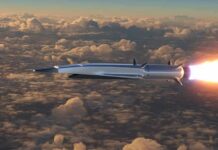

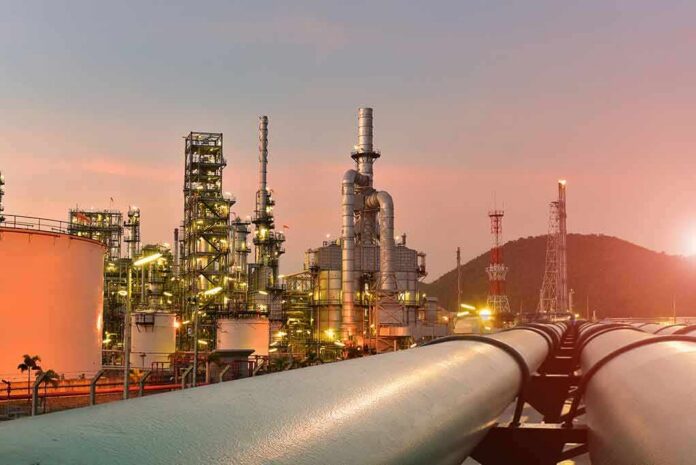
Saudi Arabia says Iran-backed militias in Iraq tried to set the world’s biggest oil plant on fire with drones, raising fresh fears about energy security and war spilling across the Middle East.
Story Snapshot
- Saudi Arabia’s defense ministry says drones from Iraq targeted the Abqaiq oil refinery and other petroleum sites.
- Saudi air defenses report they shot down several drones, but images and reports show major fires and damage at Abqaiq.
- Yemen’s Houthi movement and Iraq-based militias push rival stories about who is to blame, echoing years of proxy conflict.
- The attack threatens global oil supplies and reminds Americans how foreign chaos can hit prices, savings, and energy independence.
Saudi Arabia Says Drones Came From Iraq
Saudi Arabia’s Ministry of Defense announced that its air defenses intercepted “a number of drones” that were launched toward oil installations by Iran-aligned militias operating in Iraq. Officials said the drones were aimed at petroleum facilities in the kingdom’s Eastern Province and near the capital, Riyadh, and that the launch point was Iraqi territory. A Saudi Defense Ministry spokesman said these militias were backed by Iran and warned that Riyadh “reserves the right to respond” to the aggression. The message was clear: this was not just terrorism, it was part of Iran’s proxy war.
Early reporting tied the drones directly to the Abqaiq refinery, the crown jewel of Saudi energy infrastructure. Abqaiq is the world’s largest crude stabilization and processing plant and handles roughly 5–7% of global oil supply. Video and satellite imagery shared by regional outlets showed a massive fire at the facility and at the nearby East–West Pumping Station. While Saudi officials stressed that several drones were intercepted and destroyed, they did not immediately give full details on damage, casualties, or downtime, leaving markets and allies guessing about the true impact.
Houthis and Iraqi Militias Offer Competing Claims
Yemen’s Houthi movement, which is aligned with Iran, has claimed responsibility for past drone attacks on Saudi Aramco sites, including strikes on Abqaiq and Khurais that caused huge fires and temporarily knocked out half of Saudi crude production in 2019. In the latest incident, media linked to the Islamic Revolutionary Guard Corps pushed imagery and messaging that framed the blaze at Abqaiq as the result of combined Houthi drone and missile strikes. At the same time, militias branded as the Islamic Resistance in Iraq publicly denied involvement and tried to shift blame toward Houthi forces in Yemen, calling Saudi claims politically motivated.
Saudi reporting and commentary consistently placed the latest launch inside Iraqi airspace, reinforcing the idea that Iran’s proxies in Iraq are now striking deep into Saudi territory. However, as in 2019, the public record remains messy. Back then, the Houthis loudly claimed the Abqaiq attack, while United States officials said drones and cruise missiles were launched from Iran, and a leaked United Nations report later said it could not fully confirm Iran’s role. Today’s rival narratives—Houthis boasting, Iraqi groups denying, Saudis pointing to Iran-backed militias—fit that same pattern of information war, where each side races to control the story before full forensic evidence is released.
Why Abqaiq Matters for American Energy and Security
The Abqaiq refinery is not just another plant; it is a central valve on the world’s oil pipeline. When drones and missiles hit Abqaiq and Khurais in 2019, analysts estimated that about 5% of global oil supplies were suddenly offline, and crude prices jumped by double digits almost overnight. That shock proved how quickly Middle Eastern conflict can reach American wallets through higher gas prices, heating costs, and strain on retirement accounts tied to energy markets. Every new attack on Abqaiq is a reminder that our energy security is still exposed to hostile regimes and their proxies.
For conservative Americans who care about stable prices, strong borders, and national independence, this latest strike is another warning flare. Iran uses foreign militias to hit oil facilities and shipping lanes, while hiding behind denials and propaganda. When the world’s largest oil processing plant goes up in flames, it is not just a regional story; it affects what families pay at the pump, how farms fuel equipment, and whether our country can stay free from pressure by global energy cartels. That is why President Trump’s push for American energy dominance remains vital, so foreign wars cannot hold our economy hostage.
Escalating Proxy War and Limited Transparency
This attack sits inside a wider pattern of drone and missile warfare across the Middle East, with Iran-linked groups striking oil sites, bases, and cities from Iraq, Syria, and Yemen. Open-source reporting shows continuing waves of drone activity by Iranian-aligned militias in Iraq, often hitting refineries and military facilities, and sometimes triggering United States and allied airstrikes in response. Each incident brings fast accusations, but only limited public technical proof, because governments keep radar data, debris analysis, and intelligence reports classified. That secrecy makes it hard for citizens to see exactly who launched what and from where.
For now, Saudis insist that Iran-backed militias in Iraq were behind the Abqaiq strike, while the militias deny and the Houthis seek credit. What is not in doubt is that hostile actors are using cheap drones to target critical energy infrastructure and to test air defenses. That kind of asymmetric warfare favors regimes that ignore international law and treat civilian economies as fair game. Americans who value national sovereignty and honest government should watch these events closely, because they show how a foreign power can wage war “in pieces” against our energy supply without firing a single shot on our soil.
Sources:
gatewayhispanic.com, en.wikipedia.org, bbc.com, moneycontrol.com, youtube.com, iranwire.com, kingdomexploration.com, theweek.in, csis.org, wsj.com, facebook.com