
Britain’s top spy says Iran is now aiming at UK military sites, and a suspected plot near a U.S.-run air base shows the threat is real.
Story Highlights
- MI5 reported over 50 arrests in Iran-linked UK operations in the last year.
- MI5 says Iran has shifted to “harder targets” like military sites.
- UK leaders say a suspected plot at RAF Fairford was almost certainly directed by Iran’s Islamic Revolutionary Guard.
- UK authorities cite proxy networks using paid criminals and volunteers.
MI5 Flags A Shift To Military Targets On UK Soil
MI5 Director-General Ken McCallum said Iran is moving from soft targets to “harder targets,” including military sites inside Britain. He reported more than 50 arrests in Iran-linked operations over the last 12 months. His annual threat update placed Iran alongside Russia and China as hostile states driving covert activity in the United Kingdom. That includes surveillance, plots, and attacks that reach into British communities and now toward military infrastructure that protects both the UK and the United States.
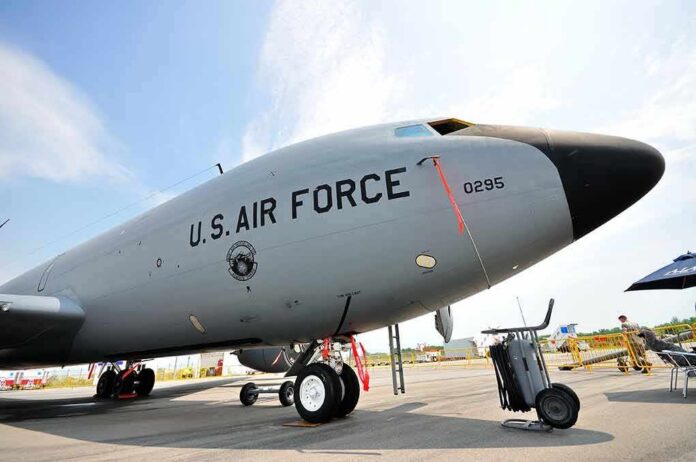
McCallum’s warning matters for American forces, too. United States bombers rotate through Royal Air Force Fairford, where NATO and U.S. missions often stage. When hostile actors test a base like that, they test the transatlantic bond itself. MI5’s message was direct: Iran and its networks are probing tougher sites. That forces British and American commanders, police, and intelligence officers to harden perimeters, speed up sharing, and stay in front of evolving tactics before talk becomes a strike.
RAF Fairford Incident Tied To Iran By UK Government
On September 27, police arrested five British men near Royal Air Force Fairford after three vehicles drew concern around the U.S.-run base. Prime Minister Andy Burnham told Parliament the activity was “highly likely” to have been coordinated from Iran, and “almost certainly” directed by Iran’s Islamic Revolutionary Guard. He linked the case to Tehran’s use of proxies who pay criminals or recruit naive volunteers to do hostile work on British soil, keeping the regime’s hands looking clean.
Authorities say the suspected Fairford plot was not a one-off. They describe a broader pattern: hostile-state activity using covert networks to scout targets and harass or threaten communities. That includes reported incidents against Jewish sites, where arson attacks and an alleged plot in Manchester fit a wider campaign of intimidation and risk. The government also moved beyond arrests. It sanctioned two Iranian officials tied to espionage and attacks, including the head of the Islamic Revolutionary Guard counterespionage wing.
Proxy Playbook: Criminal Hires, Covert Cash, Plausible Deniability
British officials describe a model where Tehran hides behind middlemen. The regime uses cut-outs to recruit gangs, pay local criminals, and steer “volunteers” to do reconnaissance or worse. This keeps the chain long and muddy. It blurs the line between state orders and street crime. It also strains police resources. Every “small” task, like scoping a fence line or testing a gate, may be one move in a larger plan against a base or a community target later on.
UK air base attack was almost certainly Iran
UK Prime Minister Andy Burnham informed lawmakers on Monday that the planned attack on the RAF Fairford air base used by American bombers was confirmed as “highly likely to have been coordinated in Iran,” and “almost certainly directed…— Patrick Laidlaw (@patrick_laidlaw) October 13, 2026
That playbook challenges the West’s open societies. Free nations trust their people, allow speech, and avoid heavy-handed policing. Iran seeks to twist that freedom into cover. The right answer is not more bureaucracy. It is focused intelligence work, tight borders, swift deportation of foreign agents, strict enforcement of sanctions, and strong support for local police and base security. When hostile states push, the allies must answer with unity, clarity, and strength grounded in law and the Constitution.
Why It Matters For American Readers
United States forces rely on British bases to deter enemies and back allies. A threat to Royal Air Force Fairford is a threat to American aircrews and missions. President Trump’s team focuses on peace through strength. That means tightening joint security, pushing for tougher multilateral sanctions that actually bite, and warning Tehran that striking at U.S. or allied sites will carry certain and swift costs. Protecting troops overseas protects families here at home.
Facts drive this story. MI5 counted more than 50 arrests in Iran-linked operations. The prime minister said the Fairford activity points to the Islamic Revolutionary Guard. The government described a proxy model that uses criminals and naive recruits. Iran has publicly denied involvement, and the Fairford suspects were reported on bail without charges at the time of reporting. Police and prosecutors will handle the casework, while security leaders keep raising the guard at critical sites.
The Bigger Pattern: State Threats And Community Safety
Security services say the campaign aims wide. It targets military sites that anchor the allied shield. It also pressures Jewish communities, dissidents, and voices that speak against Tehran’s rulers. That is why Britain’s response mixed arrests, sanctions, and visible protection for likely targets. It is also why Americans should care. When our closest ally faces state-backed pressure at home, our own bases, diplomats, and families are in the picture as well. Strength and vigilance keep that picture stable.
Here is the bottom line. Iran-linked networks are pushing on British soil, and they are eyeing military sites. United States and British forces must keep their edge, share intel fast, and shut down proxy networks early. That approach defends troops, protects faith communities, and upholds Western values. Deterrence works when it is clear and credible. The allies should keep it that way.
Sources:
youtube.com, apnews.com, bbc.com, amp.dw.com, latimes.com, reuters.com, inquirer.com