
Invited reporters and two uniformed service members were detained at gunpoint during a Space Force base event after a communication failure triggered a full security response.
Story Snapshot
- Space Launch Delta 30 said a “breakdown in communication” led to the confrontation.
- Security believed the escorted media convoy were unauthorized “gate crashers”.
- Guns, sirens, and barriers were used; everyone was released after about 30 minutes.
- The incident happened before an invitation-only training facility groundbreaking.
What Happened at the Vandenberg Gate
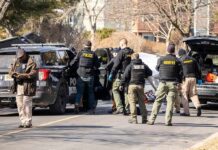
On August 19, invited reporters and two military members arrived in a media convoy at Vandenberg Space Force Base in California for a scheduled, invitation-only groundbreaking for a new training facility for missile operators. Public affairs staff escorted the convoy in a government minivan, which is routine for base events. Security forces converged at a gate, drew firearms, sounded sirens, and raised barriers. Officers ordered people out of vehicles and detained them temporarily before releasing the group.
Space Launch Delta 30’s public affairs office said the episode was a “breakdown in communication.” Security officers thought the convoy were unauthorized entrants or “gate crashers,” not invited guests. That belief drove the response level. Reporting says the detention lasted a little over 30 minutes. No injuries or arrests were reported. The group then proceeded without further incident. The basic facts have been widely repeated by local outlets and national wires that cited on-scene accounts and a base spokesperson.
Why Security Reacted the Way It Did
Base security trains for speed, clarity, and control at entry points. An alert about possible “gate runners” can trigger a rapid, high-visibility response. That likely explains the drawn weapons, sirens, and barriers at Vandenberg. Officers must secure the scene first, then sort people and credentials. In this case, the convoy had public affairs escorts and event invitations, which supports a miscommunication scenario rather than a deliberate breach. Once identities were checked, the group was released the same day.
The timing added pressure. The event involved a new training facility for missile operators, which is a sensitive mission area. Security plans around such events can include tighter gate controls and quick elevation of posture. That setting helps explain why a wrongly flagged convoy met a strong response. The base’s public affairs statement covered the cause as a communications lapse, but it did not specify which protocol failed, or where the message broke down in the chain.
Press Access, Safety, and the First Amendment
Incidents like this sit at the hard edge where press access meets military security. The frame that reaches the public often centers on the most visible force, such as firearms and sirens. Institutions often stress procedures, checklists, and quick resolution. Both views appear here: a dramatic stop with weapons drawn, and a short detention that ended once credentials were verified. The reporter accounts, local coverage, and the base spokesperson’s explanation align on those core points.
Conservatives value both a strong military and a free press. Those goals work together when rules are clear and communications are tight. The media convoy was escorted by uniformed staff, which should have reduced risk. That it did not, this time, is a process problem to fix. The answer is not weaker security. The answer is better coordination, so invited guests are known to every gate officer before they arrive, and lawful access does not trigger a tactical response.
What Accountability Looks Like Now
Commanders can review gate logs, radio traffic, and dispatch timelines to map the chain of events. They can compare standard operating procedures for media events to what actually occurred. They can identify which handoff failed, update checklists, and rehearse the fix. A short, factual after-action note would help close the loop, show respect for the press, and back the troops who followed the alerts as they understood them. Reporting has not cited such a document yet.
Invited Media and Military Members Held at Gunpoint at Space Force Base in California
Local media reports five news reporters and two members of the military who were invited to an event at Vandenberg Space Force Base were briefly detained at gunpoint by security officers who… pic.twitter.com/n83M3uyxAp
— 🔱⚓️🏴☠️🇺🇸I'm The One Called Doc🇺🇸🏴☠️⚓️🔱 (@hmcrem) August 20, 2026
This was not a political stunt, nor a crackdown on speech as policy. It was a swift security action fueled by a bad signal on a busy day, then resolved. That does not make the experience less tense for those who had guns pointed at them. It does point toward a practical remedy. Clear rosters, shared calendars, and pre-briefs across public affairs and security can stop this from happening again—while keeping our bases and missions safe.