

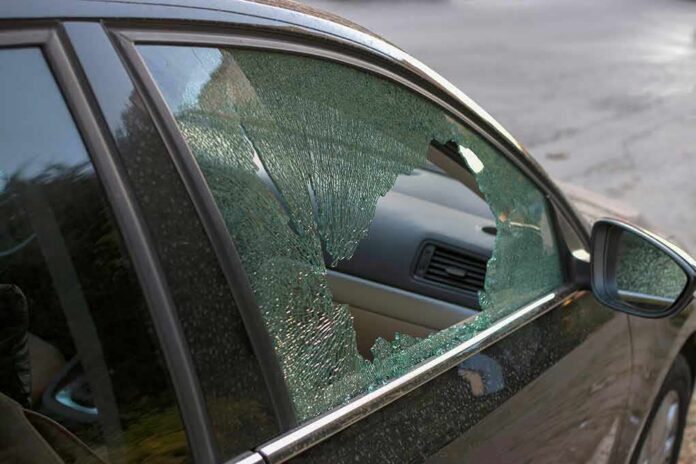
Newport Beach police broke a car window to pull five distressed dogs from dangerous heat, and the body-camera video shows why seconds mattered.
Story Highlights
- Police in Newport Beach rescued five dogs from a hot car on May 18, captured on body-camera video.
- Officers found windows only slightly cracked and some dogs in cages, showing clear distress.
- California law bans leaving animals in vehicles under dangerous conditions and allows rescue.
- The department shared the video to warn the public about heat risks and legal consequences.
Police Response and Rescue Details
Newport Beach police said officers responded on May 18 to a report of dogs trapped in a car on the 2400 block of Holly Lane. Body-camera video shows an officer breaking a window and pulling out multiple dogs, some caged, while others panted in clear distress. The windows were only slightly cracked. Officers moved quickly to cool the animals and secure the scene. The department later shared the video to warn residents against leaving pets in cars during warm weather.
Entertainment and local outlets amplified the clip, underscoring how fast heat turns deadly inside a closed vehicle. Reports said the officer “wasn’t going to waste any time,” and the footage makes that plain. The scene shows a textbook emergency: limited airflow, visible stress, and animals at risk of heat injury. Sharing the video aimed to change behavior before a tragedy. The quick entry and triage showed proper priority on life and safety over property damage.
What California Law Requires Around Pets in Vehicles
California law makes it illegal to leave or confine an animal in a vehicle when heat, lack of ventilation, or similar conditions endanger the animal’s health. The law also allows certain rescues under defined steps when an animal is in imminent danger. That legal framework backs fast action by police and others who meet the law’s requirements. The spirit is simple: when an animal’s life is at stake, immediate help is lawful and expected.
Across the country, many states have similar “hot car” measures to prevent animal suffering. These laws often let first responders break into a car when an animal’s life is in danger and can grant civil or criminal immunity when the rescuer follows required steps. The common thread is duty of care and common sense. Officers in Newport Beach acted within that pattern by assessing risk and taking immediate rescue steps to protect life.
Heat Danger: Why “Cracked Windows” Is Not Enough
Police reports and video stressed that slightly cracked windows do not make a locked vehicle safe. Even on a mild day, inside temperatures can soar in minutes. Dogs cannot cool as humans do, and heat stress advances fast. The images from the scene show heavy panting and confinement that blocked escape. That is why officers did not wait. The policy lesson is clear: do not leave pets in vehicles, even for a short errand, and call police if you see distress.
HOW DID WE NOT RUN THIS??
Five dogs were trapped inside a scorching hot car in Newport Beach, most of them locked in cages and already showing signs of distress.
A police officer realized they were in immediate danger, smashed the window and pulled all five to safety.
A… https://t.co/bqucSatOkv pic.twitter.com/6iRWQvTlwn
— Frank (@Frank_67x) August 23, 2026
The Newport Beach rescue followed a wider public push to reduce hot-car deaths and injuries. Police agencies and legal groups urge people to act quickly and call 911 when an animal is in danger. California’s law sets guardrails so that responders can break in when necessary without fear of lawsuits when they follow the rules. The video release serves as a public reminder: prevention is best, but rescue must be swift when prevention fails.
Accountability, Community Duty, and Conservative Principles
Personal responsibility starts with basic care for animals. Leaving dogs in a sun-baked car with little air crosses that line. Police upheld the law and protected life, which is exactly what we ask them to do. The rescue also reflects limited, focused government action: intervene only when someone’s neglect creates a clear, immediate threat. That is not overreach. That is rightful enforcement that defends the vulnerable and respects community standards.
For readers who value law, order, and common sense, this is a win. Officers answered a call, made a quick judgment, and acted to save lives. The state’s statute gave them the legal tools to do it. The body-camera video now warns others and may deter future neglect. That is how accountability and culture shift: clear rules, real consequences, and visible enforcement. The message is simple—care for your animals, or expect the law to step in.
What To Do If You See a Pet in Distress
Call 911 and report the make, model, color, and exact location. Stay on scene if you can. Look for signs of distress, like heavy panting, drooling, or listlessness. Follow directions from dispatch. In California, the law allows certain rescue steps when danger is imminent and required actions are met. But the safest, fastest route is to get police there. Officers have the training and legal authority to enter the vehicle and give aid.
Sources:
nypost.com, patch.com, facebook.com, peta.org