

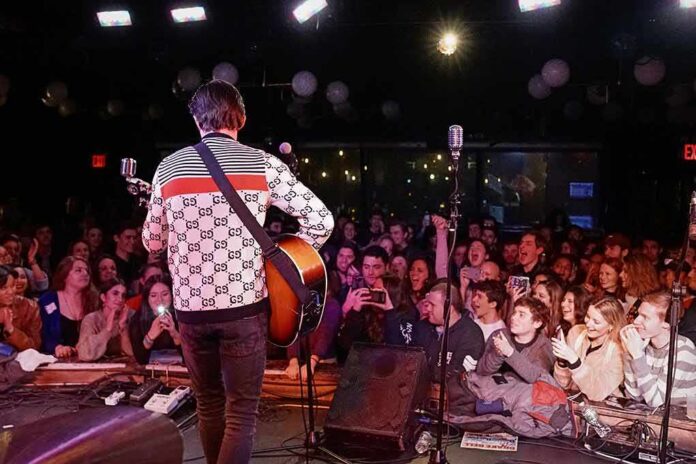
A country star told upset fans to stop listening after he joked about President Trump on late-night TV—and he meant it.
Story Snapshot
- Jelly Roll mocked President Trump during a Jimmy Kimmel Live monologue, then doubled down the next night.
- He told fans threatening a boycott to “go right ahead,” framing the bit as normal late-night satire.
- He justified the jokes by rolling clips of Trump mocking others’ weight to show the punchline’s target.
- Critics called him crude and a sellout, and a Florida official said he was not welcome in the panhandle.
What Happened On The Kimmel Stage
Jelly Roll guest-hosted Jimmy Kimmel Live and used the opening monologue to tease President Trump’s weight and ratings. The show packaged the jokes like any late-night segment, with graphics and studio beats that cue satire, not a stump speech. He then played a mashup of Trump calling others “fat” and “slob,” making the case that he was tossing back the same kind of jab, only this time toward a powerful public figure. The audience read it as comedy, not a policy rant.
He faced blowback online within hours. Some fans said he betrayed them and vowed to stop listening. Jelly Roll answered from the same stage: hosting late-night means talking about the news and making jokes; if you want out, “go right ahead”. That response was not coy or hedged. It was a line in the sand about artistic voice and the rules of the genre. The message landed because it was simple, clean, and firm.
Why The Backlash Lit Up So Fast
Conservative commentators framed the jokes as crude and personal. Coverage highlighted the weight shots and branded them vulgar, which sharpened the anger loop. A Florida Republican official then said Jelly Roll was not welcome in the panhandle after the bit, pushing the story from internet squabble to headline politics. That escalation took a two-minute monologue and turned it into a loyalty test. The format of short clips sped that shift by stripping out context.
That speed clashed with Jelly Roll’s earlier public stance. He said in 2024 that he was not political after meeting Trump at a fight, and that he would meet any president. Critics used that to argue he flip-flopped for applause. Supporters countered that a late-night joke is not a platform plank. Both claims miss the core point: late-night monologues target public figures with satire. The law and the culture make wide room for that, even when the joke stings.
The Late-Night Rulebook: Fair Target, Hard Shots
The Kimmel monologue targeted a sitting president, which is the classic bullseye for American satire. Jelly Roll centered the joke on behavior seen on tape, including the president’s past insults about other people’s bodies. That framing matters. It ties the punchline to public conduct and avoids alleging hidden crimes. Entertainment press treated it as monologue material, not a scoop, which signals how audiences are expected to process it. Nothing in the bit asked viewers to accept a new fact.
'OK, Dude!': Newsmax Host Deletes His Jelly Roll Music on the Air in Protest of Musician's Trump Jokes https://t.co/fwELnJS196
— Mediaite (@Mediaite) August 28, 2026
On balance, the facts back Jelly Roll’s claim that this was late-night work, not a campaign ad. The pushback came hard anyway, because identity politics now sits inside country music fandom and late-night TV. From a conservative values view, the key test is fairness and consistency. If you cheer a politician for punching down, you cannot demand bubble wrap when a comic punches up. If the joke fails, change the channel. Boycotts over jokes turn humor into heresy—and hand the microphone to outrage merchants.
Sources:
redstate.com, youtube.com, facebook.com, yahoo.com, usatoday.com, ibtimes.co.uk