

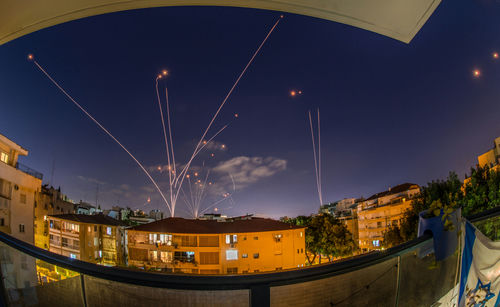
Hezbollah’s rocket fire is once again testing Israel’s border defenses, and the response is sending a clear warning to Beirut.
Quick Take
- Israel said its forces intercepted rockets fired from Lebanon, then struck Hezbollah targets in south Lebanon.[1]
- Hezbollah denied responsibility and said it had no link to the rocket launches.[3]
- Israeli officials said the Lebanese government is responsible for fire that comes from its territory.[2]
- The exchange adds pressure to a fragile ceasefire that was already under strain.[1][2]
What Israel Says Happened
Israel said the attack began when rockets crossed from Lebanon into northern Israel and were intercepted by air defenses.[1] Reuters reporting said Israel then bombarded Hezbollah targets in south Lebanon after the interception, marking another sharp turn in the border conflict.[1] A separate report said Israeli officials directed the military to respond forcefully and that the strikes hit rocket launchers and a command center used by Hezbollah operatives.[2]
Israeli officials framed the response as a security move, not an escalation of their own making.[2] That message will sound familiar to readers who have watched border threats met with restraint that does little to stop the next attack. The Israeli military also said the Lebanese government is accountable for maintaining the ceasefire agreement.[2] That point matters because it shifts pressure away from excuses and back onto the state that is supposed to control its own territory.
Hezbollah Denies It Fired the Rockets
Hezbollah denied responsibility for the launches and said it had “no link” to the rocket fire.[3] The group also said the incident looked like an effort to create a pretext for continued Israeli military action in Lebanon.[3] One Reuters-based report said no group claimed responsibility and that an Israeli official said the identity of the launchers had not been confirmed.[5] That leaves the core dispute unresolved, even as the military retaliation is already underway.
The lack of clear attribution is part of what makes these border flare-ups so dangerous. Israel says it must act fast to protect civilians and keep its northern towns safe.[1][2] Hezbollah says it did not fire, while the Lebanese Army later said it discovered and dismantled the launchers but still found no clear signs of who was responsible.[5] In practice, that means both sides can point to facts that support their case, while the border stays unstable.
Why This Clash Matters Now
The latest exchange lands at a fragile moment for the ceasefire between Israel and Hezbollah.[1][2] Reports say the truce has already been strained by accusations that both sides have failed to fully meet their obligations.[3] Israeli officials also said the army would continue operating in southern Lebanon, which shows that Jerusalem is not treating this as an isolated incident.[1] For many readers, that fits a hard lesson: deterrence only works when threats are answered.
Weekly Report – Hezbollah Attacks Against Israel (8–14 June)
Key Trends This Week
During the past week (8–14 June), Hezbollah carried out 134 attack waves against Israel and IDF forces, a decrease compared to the previous week (1–7 June), during which 198 attack waves were… pic.twitter.com/UlayOgDENT— Israel-Alma (@Israel_Alma_org) June 15, 2026
Lebanon’s state news agency reported Israeli strikes and artillery fire across multiple sites in the south, and Reuters-based coverage said the response reached Hezbollah launchers and command posts.[2][5] Those reports show how quickly a border warning can turn into a wider military exchange. The broader political picture is just as tense, because each new strike deepens the risk of another round of fighting. For Israel, the priority remains stopping rockets before they reach civilians.[1][2]
What Readers Should Watch Next
The key question now is whether the rocket launches stop or whether this becomes another cycle of denial, retaliation, and damage. Israel has said it will answer future attacks forcefully, while Hezbollah has refused responsibility.[1][3] If the Lebanese government cannot control armed groups on its soil, the ceasefire will keep looking weaker by the day.[2][5] That is the real warning in this story, and it is one that border communities on both sides already understand.
Sources:
[1] Web – Israel says intercepts Hezbollah rockets, conducts strikes in south …
[2] Web – Israel pounds south Lebanon after intercepting rockets, Hezbollah …
[3] Web – Israel hits Hezbollah targets after intercepting rockets from Lebanon
[5] Web – Israel intercepts rockets from Lebanon, retaliates with strikes – The …