
Police bodycam shows officers handcuffing a stabbed teen who begged for help, while his killer’s false “racist attack” claim misled the response.
Story Highlights
- Bodycam shows officers handcuffing dying student Henry Nowak as he said he was stabbed.
- Watchdog is probing officers for potential gross misconduct over handcuffs and delayed aid.
- Attacker falsely claimed he was the victim of a racist assault, steering officers off target.
- Police leadership apologized to Henry’s family and called the footage “very difficult”.
What the Footage Shows at the Scene
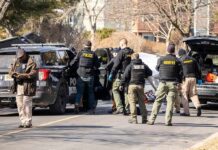
Police-released body-worn video shows 18-year-old Henry Nowak on the ground, saying “I’ve been stabbed” and “I can’t breathe,” as officers turn him onto his side and apply handcuffs behind his back. Officers tell him he is under arrest while he is clearly in medical crisis. Reporters verified that the clip was released after the criminal case ended, with the family’s permission. The images triggered national anger and new questions about training and common sense under pressure.
BBC coverage outlines a concise timeline, noting the moment Henry is restrained and told he is under arrest, even as he struggles to breathe. These details matter because they show choices made in minutes that can decide life or death. The scene was tense and chaotic, but the visible facts are plain: a stabbed teen needed fast aid and did not get it first. That is why the outcry crossed party lines and drew fast official responses.
What Investigators and Leaders Say Now
The Independent Office for Police Conduct said two Hampshire and Isle of Wight officers are under investigation for potential gross misconduct. The focus is on duties and responsibilities, use of force, discreditable conduct, and the choice to arrest and handcuff Henry rather than give immediate first aid. The watchdog said the wider investigation continues and urged the public to stop speculating while it reviews more evidence beyond the short clip released so far.
Police leadership publicly apologized to Henry’s family for the handcuffing and arrest. The chief constable said the footage is distressing and a very difficult watch. That apology signals the force accepts serious failings in how the scene was handled, regardless of final discipline outcomes. It also aligns with the watchdog’s stated concern: first aid should come first when someone says they have been stabbed and cannot breathe. The public expects nothing less.
The False Claim That Skewed the First Minutes
Reporting says the attacker lied at the scene, claiming he was the victim of a racist assault. That false claim steered officers away from the real threat and toward the dying teen. The Police and Crime Commissioner later said Henry was falsely accused of racially aggravated assault while he lay on the ground. Those facts help explain why the arrest happened, but they do not excuse the lack of urgent medical care for a bleeding victim who pleaded for help.
@AllisonPearson
Thank you for stating the opinion of many of us. IMO the police were simply trying to justify their actions at the event:Bodycam footage from December 2025 in Southampton, England, shows 18-year-old Henry Nowak telling police "I've been stabbed" and "I can't…
— Tony Meadows 🇬🇧 🏴 (@TonyMeadows) August 23, 2026
Here is the hard bottom line for readers who value law, order, and equal justice: when a citizen says “I’ve been stabbed,” first aid is not optional. Officers must secure the scene, but they must also spot a medical emergency fast. The watchdog’s probe, the apology, and the on-camera record all point to the same failure. This was not about “woke” slogans or new gadgets. It was about basic duty of care that every decent cop on either side of the Atlantic is trained to provide.
Why This Matters to American Conservatives
Americans watch this case from across the pond and see warnings. Government power is necessary, but it must be limited and accountable. Process cannot replace common sense. A bureaucracy that shuffles checklists while a young man bleeds out fails its most basic task. Our communities back the blue, and we also back truth. We demand training that stresses medical triage, decision-making under stress, and tough penalties when duty gives way to box-ticking or image management.
What We Still Do Not Know
Investigators say more bodycam, logs, and statements exist beyond the clip the public saw. They will test the decisions made in those first minutes and decide if rules were broken and how. Claims that officers set out to paint Henry as racist go further than the record now supports. The strongest evidence shows misjudgment under pressure and a fatal delay in aid, not a proven plan to smear the victim’s name. That is where the facts stand today.