
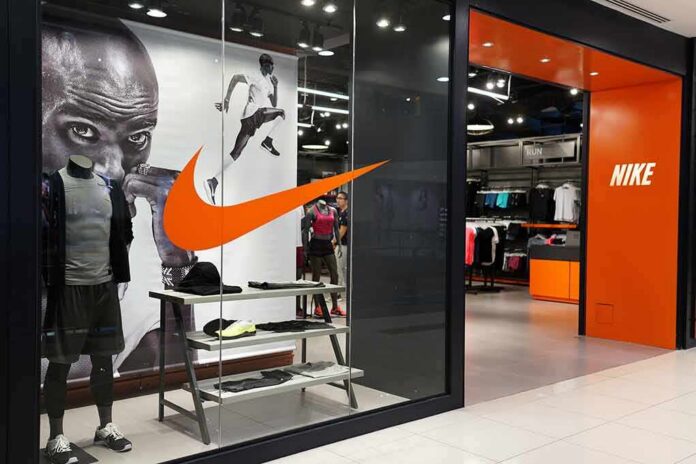
Nike’s stock hitting a 12-year low has revived a hard lesson for brands that mock American heritage.
Story Highlights
- Nike pulled its Betsy Ross flag sneaker in 2019 amid claims it glorified racism.
- Senator Ted Cruz linked his 2019 boycott to that decision and is now taking a victory lap.
- Nike’s filings and news reports show falling sales and a long turnaround, led by China weakness.
- Business outlets mainly blame execution, tariffs, and China competition for the decline.
What Sparked Cruz’s Boycott and Why It Still Resonates
Nike canceled a Fourth of July shoe in 2019 that featured the Betsy Ross flag, an early symbol of the American Revolution. The company told National Public Radio it chose not to release the shoe because it showed “an old version of the American flag” after concerns the design glorified racism. Senator Ted Cruz joined conservatives who boycotted Nike after the move, which many saw as a slight against American history and pride. That moment galvanized buyers tired of woke branding.
Fox News reported that Senator Cruz tied his boycott directly to Nike’s Betsy Ross decision and is taking a victory lap now that the stock has hit a 12-year low. The reaction highlights a simple point: when companies dismiss core American symbols, they risk losing loyal customers. For many families, respect for the flag and the nation’s founding is not a niche issue. It is the heart of what they teach their kids and what they support with their dollars.
What The Numbers Say About Nike’s Slide
Nike’s own reports show a company under pressure across key markets. A 2026 filing summary shows full-year revenue of about $46.4 billion, flat year over year on a reported basis and down 2 percent on a currency-neutral basis. Sales in Greater China fell in fiscal 2026, and direct-to-consumer sales also declined. Those are core engines for growth. When both slow, investors start to doubt the brand’s plan and product lineup.
Reuters reported that Nike warned of a prolonged turnaround while weakness in Greater China deepened. Sales in that region fell 17 percent in the fourth quarter on a constant-currency basis, and leaders called China the “longest road” in the recovery. CNBC said Nike’s China business has shrunk about 30 percent since 2021 as younger shoppers shifted tastes and local rivals gained strength. These facts point to execution and competition, not just politics, weighing on results.
Culture Clash Meets Corporate Strategy
Conservatives see the Betsy Ross decision as a clear break with everyday Americans. That is why “go woke, go broke” resonates. Still, most business reporting pins Nike’s stock pain on weak product assortments, tariffs, and rising local competition in China, not on the 2019 shoe controversy alone. Both things can be true: a company can alienate core customers with values stunts while also stumbling on product and markets. Either way, leadership owns the outcome.
For years, companies chased applause from activists and media while dismissing traditional customers. That gamble looks costly when sales slow and market share slips. Nike’s turnaround now depends on winning back buyers with better products, fair prices, and respect for the flag and family values. Investors will watch whether the brand returns to sports performance and American pride, or stays stuck in culture fights that distract from the field of play.
How Readers Should Read the “Victory Lap” Claims
Senator Cruz’s point is rooted in a real event: Nike did pull the Betsy Ross shoe, and many Americans were offended. But the stock decline has many drivers. The best-documented factors are China weakness, competition from Anta and Li Ning, and a slow cleanup of older inventory that hurt margins. The lesson for any brand is clear. Respect your country and your customers, and stay focused on product. When you forget both, the market notices.
🚨Nike has erased nearly $200 BILLION in market value — stock now at a 12-year low, down ~80% from its 2021 peak of $177.51.
Sen. Ted Cruz is reviving his Nike boycott, pointing back to the 2019 Betsy Ross sneaker controversy. pic.twitter.com/V4roQ4NiTb
— CoinMarginalX (@CoinMarginalX) August 20, 2026
President Trump’s administration has pushed for growth at home, fair trade, and energy policies that lower costs. Companies that align with those basics tend to do better with working families. Nike has a choice in the months ahead. It can rebuild trust with patriotic customers and sharpen execution abroad. Or it can keep chasing headlines while rivals take its lunch. Shareholders, workers, and retailers are waiting for a return to common sense.
Sources:
npr.org, finance.yahoo.com, foxnews.com, cnn.com, inquirer.com