

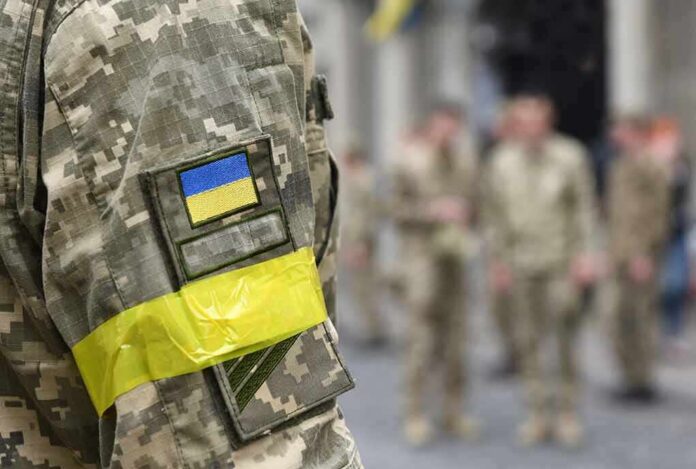
Ukraine’s own investigators now confirm hundreds of recruitment abuse cases even as forced mobilization drives spark street clashes and rising public anger.
Story Highlights
- Ukrainian authorities are probing 260 alleged recruitment abuses, with charges filed in several cases.
- The Defense Ministry admits a manpower shortfall while pledging to stop forced mobilization practices.
- The national ombudsman logged 6,127 rights-violation complaints tied to mobilization since 2022.
- Local prosecutors opened cases after a man died following mobilization measures in Kyiv.
Investigations Document Abuse As Mobilization Pressures Grow
Ukrainian state bodies have opened hundreds of cases tied to alleged recruitment abuses as the war grinds on. The State Bureau of Investigations reported 260 criminal cases linked to enlistment offices, with charges filed against dozens of individuals and documented bribe payments. The Prosecutor General’s Office said it exposed dozens of abuse schemes during the war, including bribery and fake employment used to dodge service. These actions show real misconduct is being tracked, not only claimed by critics.
Some probes point to violent coercion. State investigators in Odesa uncovered a scheme where recruitment center staff and civic members allegedly detained and beat men to lift “performance” numbers; nine suspects were arrested and charged with torture and unlawful confinement. In Kyiv, authorities opened criminal cases over possible abuse of power after a man with chest trauma died following mobilization measures, raising hard questions about tactics and oversight. These cases move beyond rumor into courtroom evidence.
Official Acknowledgment Of Shortages And Rights Complaints
Officials concede the army faces a manpower shortfall. A senior Defense Ministry leader told lawmakers the armed forces lack reinforcements and vowed to prevent forced mobilization, acknowledging the problem while arguing the need for more troops remains urgent. At the same time, the Parliamentary Commissioner for Human Rights reported 6,127 complaints since 2022 about detention, physical abuse, and drafting of unfit men, showing a huge rise in grievances as the war prolonged. Both facts point to heavy pressure on the system.
Courts and legal process show strain. A man who claimed forced mobilization sought body camera recordings from recruiters, police, and border guards, but an appeals court did not secure the videos in that case, limiting his proof path. This outcome does not resolve whether abuse occurred. It does show how hard it can be to collect official footage quickly. That gap fuels public doubt and feeds a belief that the system protects itself first, even when evidence might help rebuild trust.
Public Pushback, Viral Videos, And A Trust Deficit
Street pushback has grown as viral clips spread. Media reports and videos show crowds confronting recruitment teams and, in some cases, flipping vehicles after detentions. While not all clips are verified end to end, they have driven anger and protests that authorities struggle to calm. The cycle is clear: manpower demand rises, tactics harden, videos circulate, and distrust deepens. Without fast, transparent answers, each incident becomes proof to many that the rule of law is slipping.
Forced mobilization is one of the most disturbing and dehumanizing developments Ukraine has faced since gaining independence. Yet it receives strikingly little attention from mainstream international media.
In reality, it is the issue of forced mobilization that has generated… pic.twitter.com/R5tIFWUnlr— Iuliia Mendel (@IuliiaMendel) July 21, 2026
These events matter far beyond Ukraine’s borders. Americans across the spectrum see a pattern that feels familiar: when crisis hits, leaders expand power, promise safeguards, and then struggle to police their own ranks. Conservatives worry about unaccountable bureaucrats and mission creep. Liberals worry about civil rights and treatment of poorer citizens. Both sides fear a system that answers first to itself. Ukraine’s response will test whether wartime urgency can coexist with real accountability and due process.
What To Watch Next: Data, Discipline, And Due Process
Three steps could change the trajectory. First, independent audits of recruitment centers and outcomes could verify how often coercion happens versus lawful conscription, answering the “how widespread” question with numbers, not slogans. Second, mandatory release of body camera footage after disputed detentions could calm rumors and punish real abuse quickly. Third, clear channels for medical exemptions and appeals, published with monthly tallies, would show whether rules protect citizens under stress.
The core tension will not fade soon. The Defense Ministry says the front needs people now. Investigators say some units crossed legal lines, with hundreds of cases open and severe abuses charged in Odesa. The ombudsman’s complaint surge shows why trust is low. Ukraine’s path forward runs through sunlight and standards: document what happened, punish crimes fast, and prove that urgent defense can still honor basic rights. That is how a democracy fights, and how it keeps the public with it.
Sources:
thegatewaypundit.com, rt.com, wsws.org, tass.com, en.connection-ev.org, responsiblestatecraft.org, youtube.com